
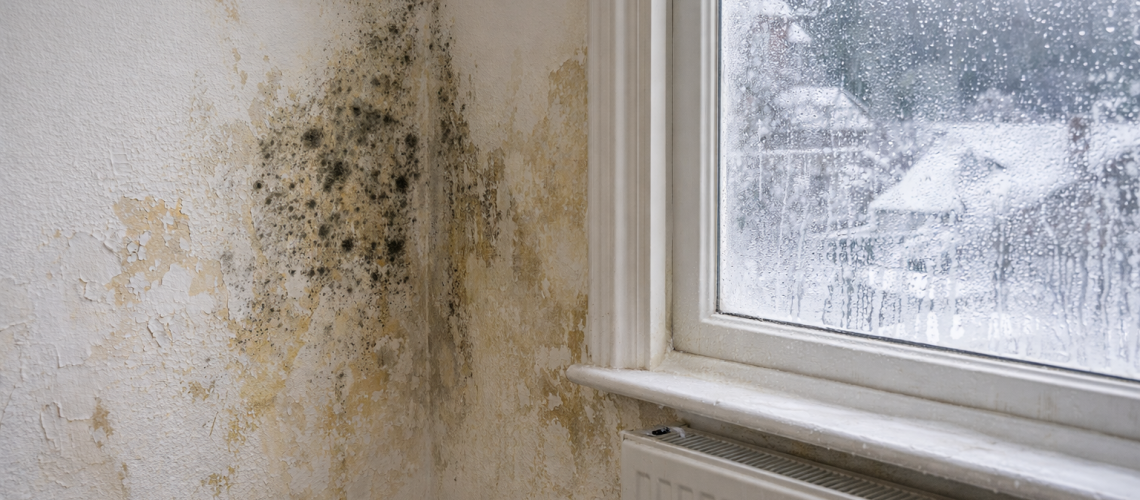
Winter brings colder temperatures, higher humidity, and reduced ventilation, all of which can take a serious toll on your interior paintwork. Damp and condensation are two of the most common causes of paint failure during the colder months, particularly in older Essex properties. Understanding how these issues develop and what damage they cause can help you protect your home and avoid costly redecoration later.
Why Damp and Condensation Are Worse in Winter
During winter, homes are heated more often while windows remain closed. This traps moisture inside, especially in kitchens, bathrooms, bedrooms, and poorly ventilated rooms. When warm air meets cold surfaces such as external walls or windows, condensation forms. Over time, this excess moisture soaks into walls and ceilings, creating the perfect conditions for paint to deteriorate.
Older properties are particularly vulnerable. Homes in areas like Wivenhoe, Rowhedge, and Layer-de-la-Haye often have solid walls, reduced insulation, or limited ventilation, which makes moisture problems more likely during the winter months.
The Damage Damp Causes to Paintwork
Damp and condensation do far more than create surface stains. Common paint-related problems include bubbling and blistering where moisture pushes paint away from the wall, peeling and flaking caused by poor adhesion, discolouration and yellow or brown staining, mould growth breaking through the paint surface, and patchy finishes where paint dries unevenly.
Painting over these issues without resolving the underlying cause will only lead to the same problems reappearing, often within weeks.
Common Signs to Look Out For
Homeowners often first notice damp-related paint damage as dark patches in corners, behind furniture, or near windows. Black mould spots around ceilings and external walls are another warning sign. If your paint feels cold or powdery to the touch, or if wallpaper begins lifting at the edges, moisture is likely present behind the surface.
How to Prevent Winter Damp Before Painting
The most important step is addressing the cause of the moisture. Improving ventilation through extractor fans, air vents, or regular window opening helps reduce condensation. Consistent heating also prevents walls from becoming too cold. Any external issues such as leaking gutters, cracked render, or damaged brickwork should be repaired promptly to prevent penetrating damp.
Before repainting, affected areas must be fully dried, cleaned with a fungicidal wash, repaired, and sealed with the correct primer. In many cases, breathable or mould-resistant paints are recommended to help manage moisture levels going forward.
Why Professional Preparation Matters
Winter decorating requires more than just applying a fresh coat of paint. Proper diagnosis, preparation, and product selection are essential for long-lasting results. Professional decorators understand how winter conditions affect drying times, adhesion, and finish quality, ensuring the paintwork holds up well beyond the colder months.
If you live in an older or moisture-prone property, working with a local professional makes a real difference. Whether you need a reliable painter and decorator in Wivenhoe, specialist painting and decorating services in Layer-de-la-Haye, or experienced decorators for homes in Rowhedge, Flight Decorating has the knowledge and experience to prepare and protect your property properly. Our team also supports homeowners across Colchester and surrounding areas with expert winter decorating solutions.